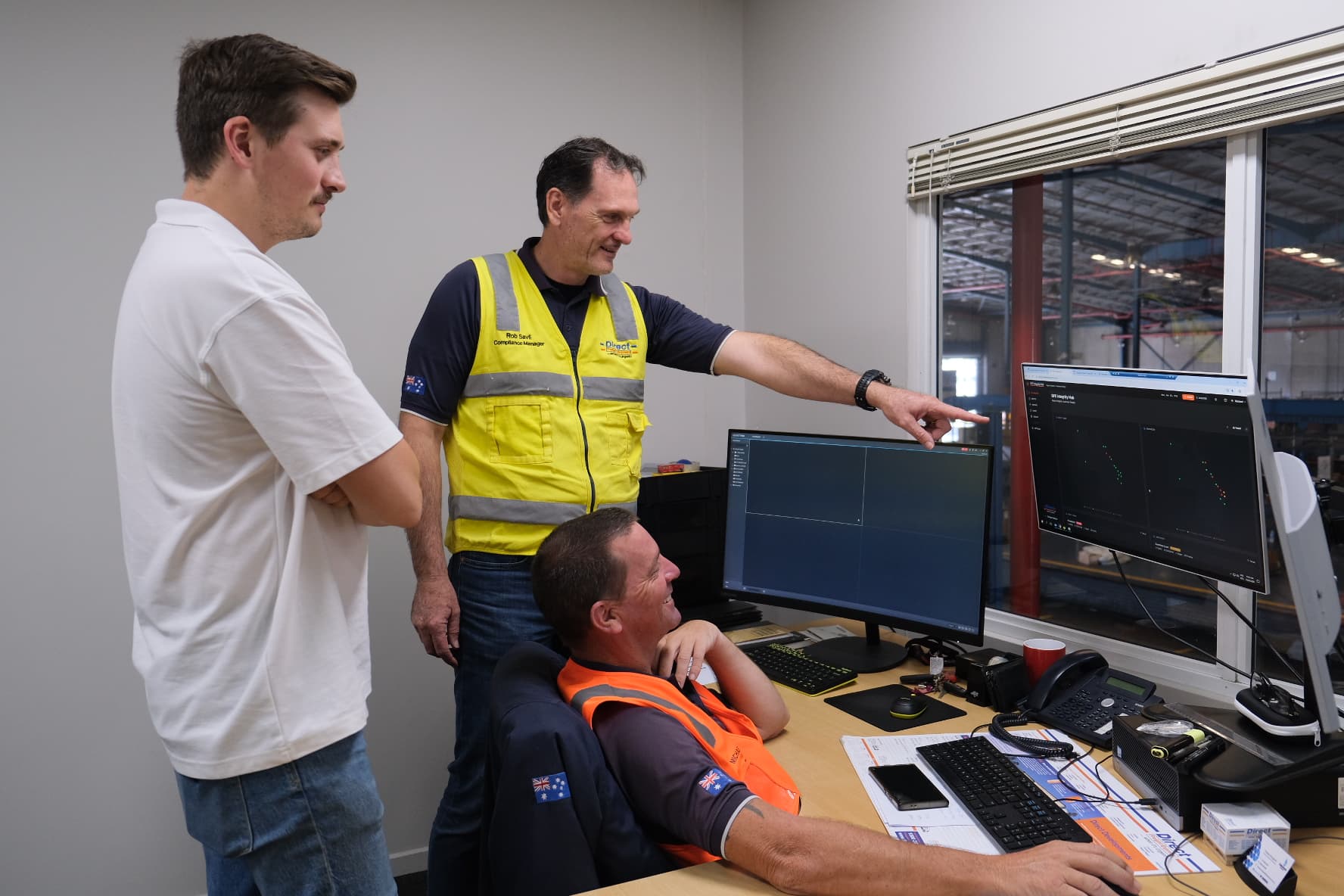
Phase 01
Listen
Onsite or virtual, we sit with the people doing the actual work. Map the system, capture the friction.

Pick a starting point or talk to us about the whole picture. Every engagement is custom, every project gets both of us.
What we do
We understand your business, build the plumbing, train the agents, ship customer apps, and stay close once it’s live. Honest delivery, no theatre.
Service · Build
Custom agents for the work that drains your team.
We design them around how your business actually runs, not how the demo looked. Built to disappear into your workflow, not draw attention to themselves.
Service · Connect
Untangle the stack so data flows where it needs to.
Wire your tools together so nobody is copy-pasting between tabs at 8pm. We re-engineer the handoffs that quietly eat your week.
Service · Ship
When off-the-shelf doesn’t cut it, we build the app.
Modern stack, careful design, and the thing actually goes live. We sweat the boring bits, audit trails, access control, mobile readiness, so you don’t have to.
Service · Advise
Where AI helps. Where it doesn’t. Honest answers.
What to build first and what to leave alone for now. We do the discovery, vendor reviews and ROI sanity checks that keep your roadmap honest.
How a project actually runs
Three phases, repeated until the system earns its keep. Then we tune, or we move on.
Phase 01
Onsite or virtual, we sit with the people doing the actual work. Map the system, capture the friction.
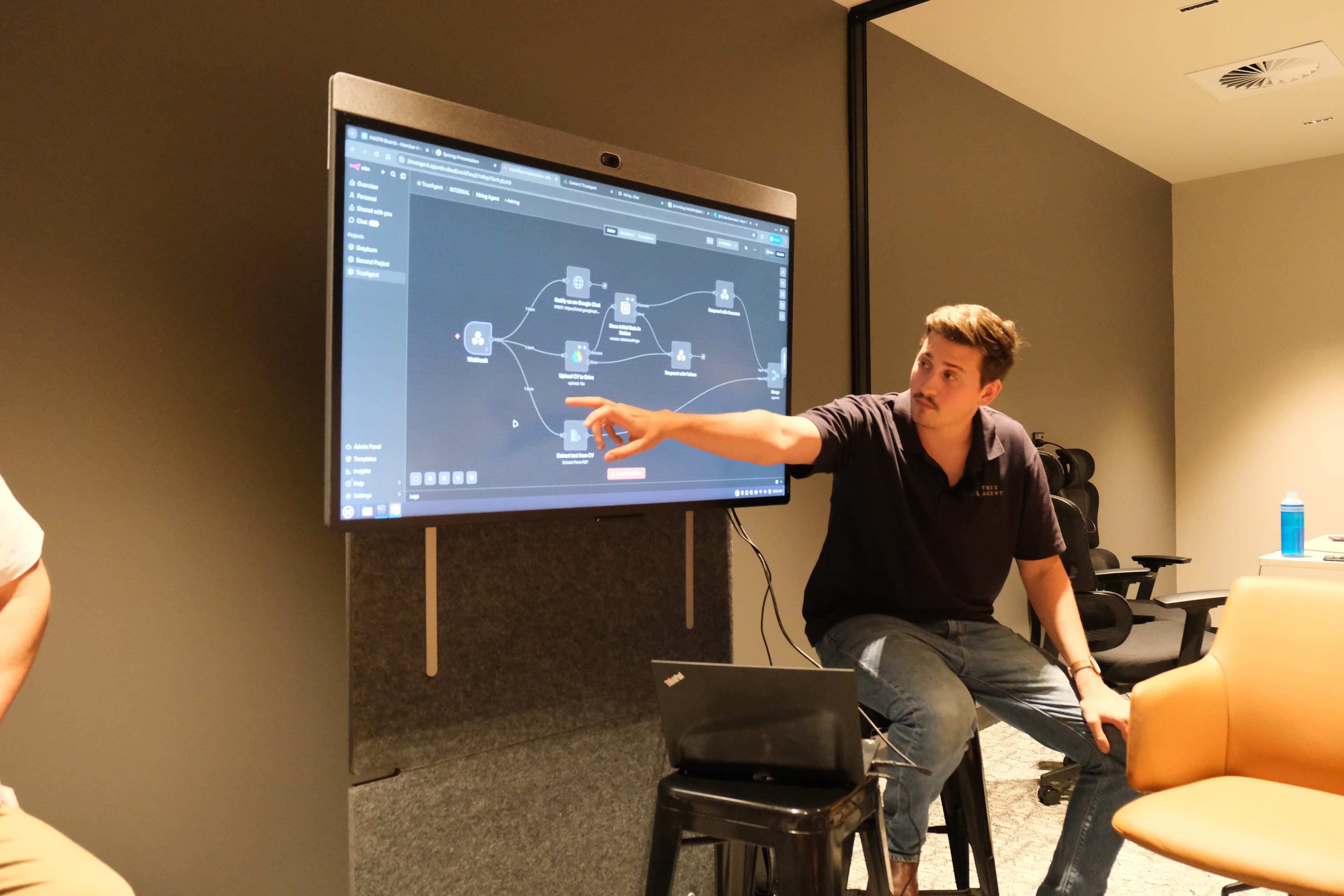
Phase 02
Smallest, sharpest system that moves the needle. Sketched back to you in plain language so you can push back before we build.
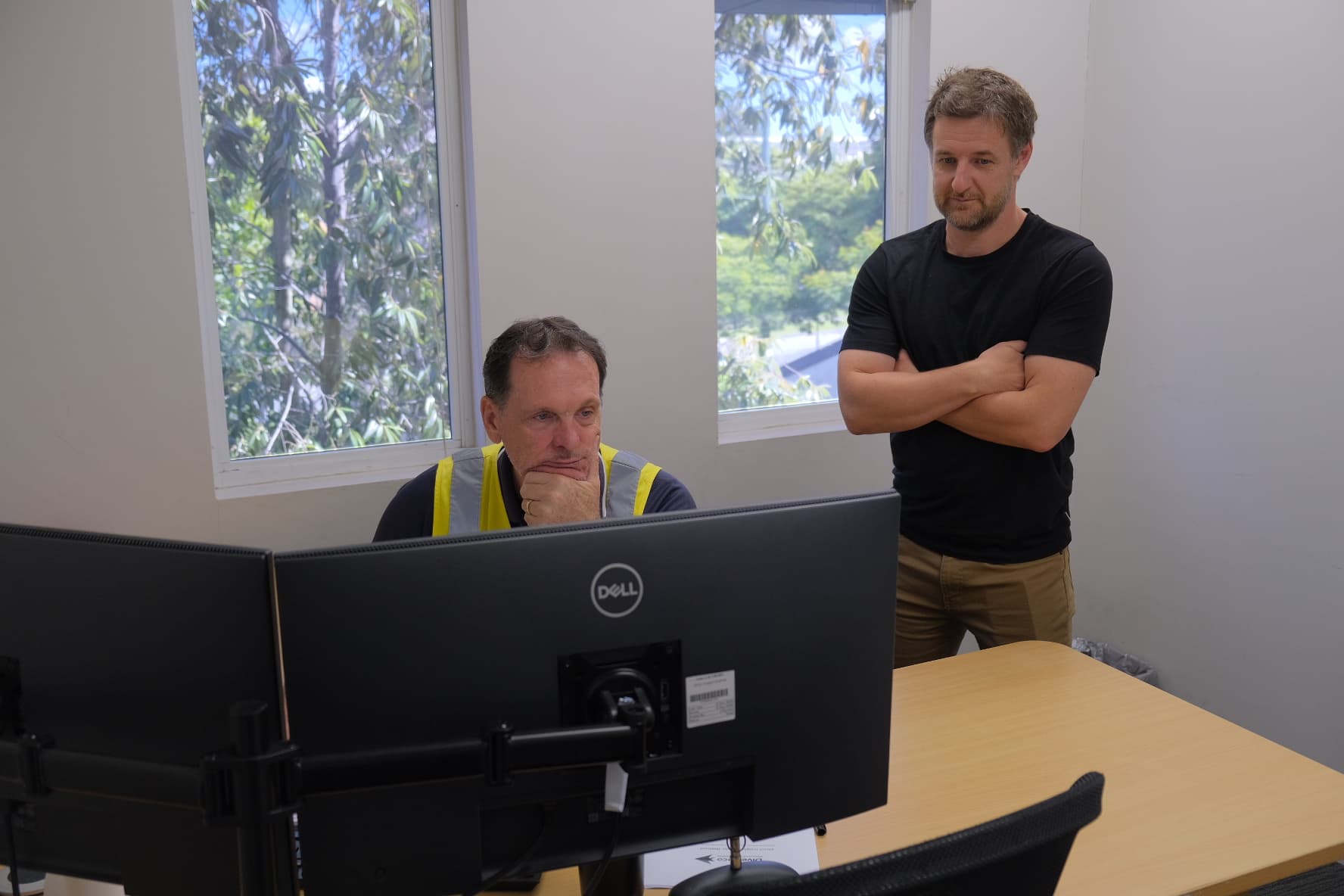
Phase 03
Build, deploy, watch it run. Tune weekly until it’s quietly part of the furniture.
Operate
Most agencies build it and bolt. We stay close. Managed retainers are simple, transparent, and pay for themselves in the first thing we tune.
From production
From initial discussion to implementation, the entire system was up and running in just 12 weeks. They truly exceeded our expectations.

Rob Savli
National Compliance Manager · Direct Freight Express